Understanding the psychology behind why we gamble A deep dive into decision-making and risk
The Allure of Gambling
The psychology of gambling is complex and multi-faceted, drawing in players from various walks of life. At its core, gambling provides an escape from reality, allowing individuals to immerse themselves in a world of chance and excitement. This allure is often heightened by the social aspects of gambling, such as camaraderie in casinos or online gaming environments, where players share the thrill of the game. Additionally, discovering opportunities at the fastest payout online casino can enhance the experience with immediate rewards.

Moreover, the environment in which gambling occurs—be it a bustling casino floor or an interactive online platform—plays a crucial role in enhancing the experience. Bright lights, engaging sounds, and the atmosphere of anticipation stimulate players, creating a compelling desire to participate. These sensory elements trigger emotional responses that can overshadow rational decision-making.
The Role of Decision-Making
Decision-making in gambling is influenced by various cognitive biases and heuristics that affect how individuals assess risk and reward. Gamblers often fall prey to the illusion of control, believing they can influence outcomes through skill or strategy, even in games that are entirely based on chance. This misconception can lead to a higher propensity to gamble, as players feel empowered in their choices.
Additionally, the availability heuristic plays a significant role; if someone frequently hears about big wins, they may overestimate their chances of winning. This skewed perception of probability can distort decision-making processes and encourage continued participation in gambling activities, often leading to excessive risk-taking.
The Excitement of Risk
Risk is inherent in gambling, and for many, it is this thrill that draws them in. The concept of uncertainty fuels adrenaline and excitement, providing an experience that many find pleasurable. This sensation can create a cycle where the desire to chase wins and avoid losses becomes a driving force, often overshadowing rational thought.
Furthermore, the brain’s reward system is activated during gambling, releasing dopamine in response to wins, regardless of their size. This chemical reaction reinforces gambling behavior, making it more likely that individuals will return to the tables or machines in pursuit of that next high. Over time, this can lead to problematic gambling behaviors, as individuals chase the fleeting joy of a win.
Social and Cultural Influences
Gambling is not only an individual choice but also a social phenomenon shaped by cultural attitudes and peer influence. In some cultures, gambling is celebrated as a form of entertainment, while in others, it may be stigmatized. These differing perceptions can significantly impact an individual’s willingness to participate in gambling activities.
Peer pressure can further amplify the desire to gamble, especially among young adults and adolescents. As individuals observe friends or family members engaging in gambling, they may feel compelled to join in, often underestimating the associated risks. This social dimension underscores the importance of understanding gambling as a shared experience influenced by the norms and values of one’s community.
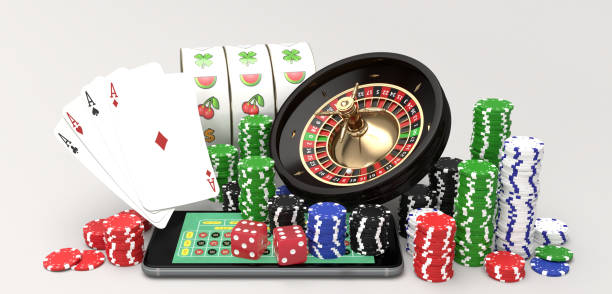
Exploring Responsible Gaming Resources
For those interested in gambling, it’s essential to approach the activity with caution and responsibility. The rise of online casinos has made gaming more accessible, but it is crucial to be aware of the risks involved. Many platforms now offer responsible gaming resources, including setting limits and providing educational materials about gambling addiction.
Understanding the psychology behind gambling can empower players to make informed decisions. By recognizing the influences that drive their behavior and the emotional factors at play, individuals can navigate their gambling experiences more safely and enjoyably. Resources available on various gaming platforms can help players foster a healthy relationship with gambling, ensuring that it remains a form of entertainment rather than a source of stress.
Leave a Reply